
 By times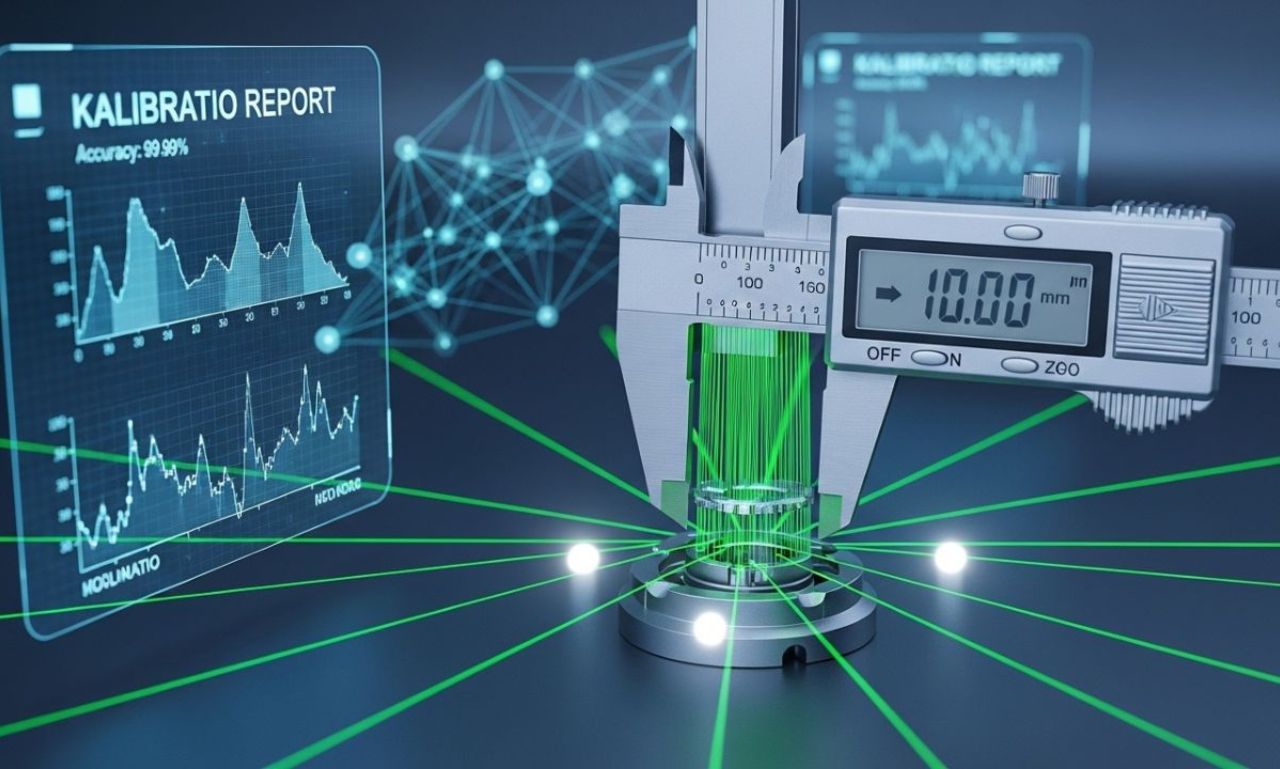
Kalibraatio is the Finnish word for calibration, a process used to ensure that instruments, machines, and measuring devices provide accurate and reliable results. Calibration plays a critical role in industries ranging from manufacturing and healthcare to scientific research and technology.
As precision becomes increasingly important in today’s world, understanding the concept of kalibraatio helps businesses and individuals maintain quality, safety, and consistency.
What Does Kalibraatio Mean?
Kalibraatio refers to the process of comparing the measurements of a device against a known standard and adjusting the instrument when necessary. The goal is to ensure that measurements remain accurate and within acceptable limits.
Calibration is essential for devices such as:
- Thermometers
- Pressure gauges
- Scales and balances
- Electrical measuring instruments
- Medical equipment
- Industrial sensors
Regular calibration helps minimize errors and improve reliability.
Why Is Kalibraatio Important?
Accuracy
Calibration ensures that instruments produce precise measurements, reducing the risk of incorrect data.
Quality Assurance
Manufacturing industries rely on calibrated equipment to maintain product quality and meet customer expectations.
Safety
In sectors such as healthcare and aviation, accurate measurements are critical for protecting lives and preventing accidents.
Regulatory Compliance
Many industries must comply with international standards and regulations that require routine calibration.
Cost Savings
Detecting measurement errors early can prevent waste, production defects, and expensive repairs.
How Does the Calibration Process Work?
The calibration process typically includes:
Reference Standards
Measurements are compared with highly accurate standards that have been certified.
Testing
Technicians evaluate the performance of the instrument under different conditions.
Adjustment
If discrepancies are found, the equipment is adjusted to restore accuracy.
Documentation
Calibration records are maintained to ensure traceability and regulatory compliance.
Industries That Depend on Kalibraatio
Manufacturing
Factories use calibrated equipment to maintain consistent product quality.
Healthcare
Medical devices require precise measurements for diagnosis and treatment.
Laboratories
Scientific research depends on highly accurate instruments.
Automotive Industry
Calibration helps maintain safety and performance standards.
Aerospace and Aviation
Aircraft systems require exact measurements to ensure operational safety.
Energy and Utilities
Power generation and distribution systems rely on calibrated sensors and monitoring equipment.
Benefits of Regular Calibration
- Improved measurement accuracy
- Increased equipment reliability
- Reduced operational risks
- Better quality control
- Compliance with industry standards
- Lower maintenance costs
- Enhanced customer confidence
These benefits make calibration an essential part of modern operations.
Frequently Asked Questions
What does Kalibraatio mean?
Kalibraatio is the Finnish term for calibration, the process of verifying and adjusting measuring instruments.
Why is calibration necessary?
Calibration ensures accuracy, reliability, safety, and compliance with quality standards.
How often should equipment be calibrated?
The frequency depends on the type of equipment, its usage, and industry requirements.
Which industries use calibration?
Manufacturing, healthcare, aerospace, laboratories, automotive, and energy sectors all depend on calibration.
Conclusion
Kalibraatio, or calibration, is a fundamental process that ensures the accuracy and reliability of measuring instruments. From healthcare and manufacturing to scientific research and aviation, calibration supports quality, safety, and efficiency. As technology advances, the importance of regular calibration continues to grow, making it an indispensable practice across numerous industries worldwide.